

Adrià Sánchez Asensio, Business Manager Signage & Audio, TD SYNNEX Maverick Europe
The digital signage conversation still spends a lot of time around screens. Brightness, resolution, LED, LCD, media players, e-paper. The hardware discussion is still very visible, and to a certain extent, it always will be. Displays are the part that people physically see.
However, increasingly, the more interesting developments in signage are happening somewhere else. Over the last few years, digital signage has started moving closer to operational infrastructure. In many organisations, it now sits inside wider workflows, pulling data from multiple systems and responding in real time to changing conditions.
The shift from displays to connected workflows
Retail is probably where this shift is easiest to spot. Signage networks are increasingly connected to inventory systems, pricing platforms and promotional data, allowing content to adapt throughout the day depending on stock levels, store activity or scheduled campaigns. Some environments are already using external triggers such as weather conditions or footfall data to adjust messaging dynamically.
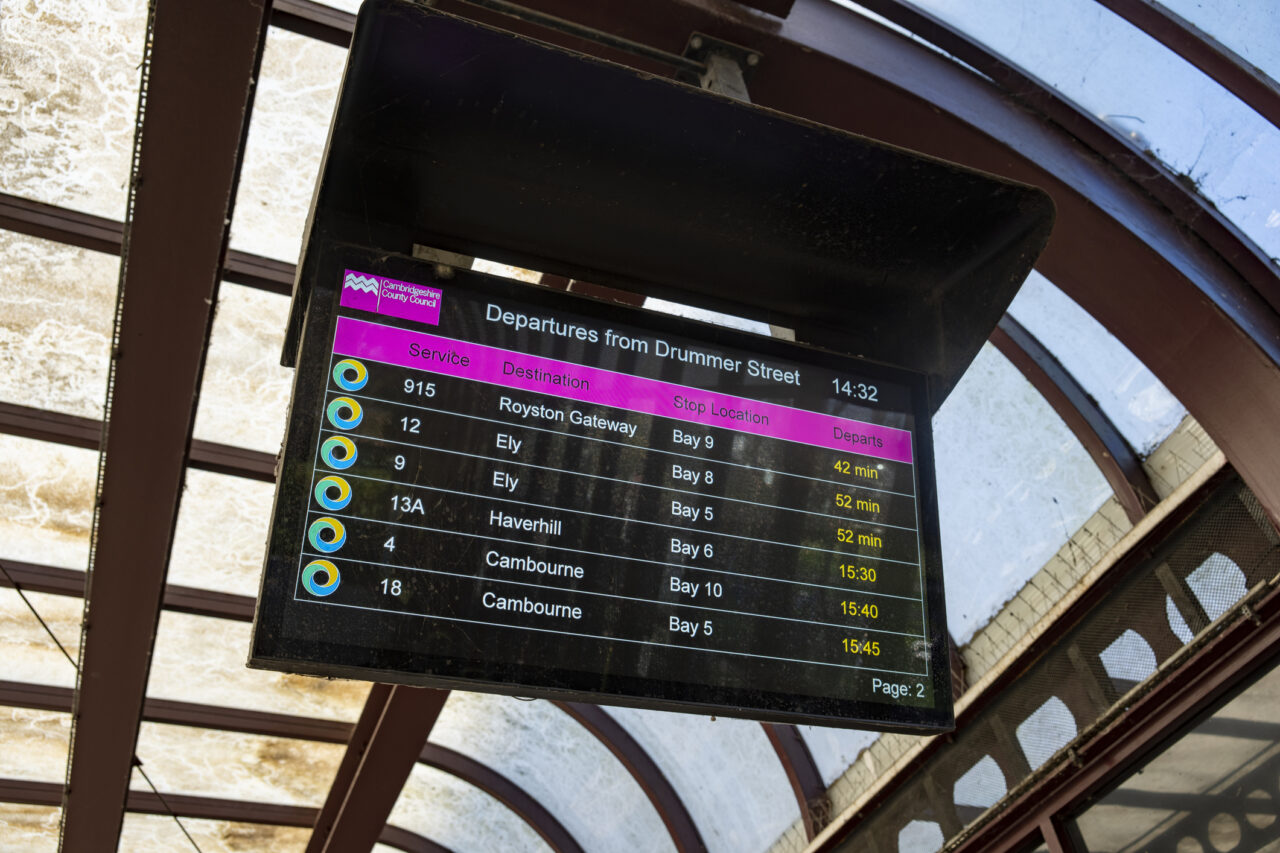
The same pattern is appearing in transport and corporate environments. Passenger information, wayfinding, room booking, and internal communication are increasingly connected through wider digital platforms and collaboration tools employees already use every day. This is one of the reasons the line between AV and IT has become increasingly difficult to define.
Signage projects now touch cloud infrastructure, analytics platforms, APIs, security policies and remote device management. In many deployments, the display itself is almost the simplest part of the project.
The real value of digital signage lives in the software
There’s also a broader shift happening around where the value sits. For a long time, digital signage projects were heavily centred around hardware decisions.
Today, much of the intelligence lives in the software layer managing the network. CMS platforms are evolving into operational environments capable of integrating with CRM systems, analytics tools, and external data sources. Some are already using AI to optimise scheduling, localise campaigns and adapt content automatically based on changing variables.
At the same time, organisations are looking more closely at scalability, integrations and long-term flexibility as signage deployments become larger and more connected.
Business outcomes now define digital signage success
This changes the role of signage quite significantly. Historically, many deployments operated separately from the wider business. Increasingly, organisations expect signage to contribute to operational efficiency, customer experience and measurable business outcomes.
Even interactivity is starting to be viewed differently. The most effective deployments are usually the ones solving a practical problem. Wayfinding, visitor management and room booking integrations tend to create far more value than interaction designed purely for engagement.

How AI is quietly reshaping digital signage operations
The same applies to AI. There’s growing interest around AI-generated content and automation inside signage platforms, but the more interesting shift may happen around operations. Predictive maintenance, automated management and intelligent scheduling are becoming increasingly relevant as networks scale.
What’s becoming clear across all of this is that digital signage is evolving into a connected operational layer inside organisations.
The technology itself is becoming more accessible and more standardised. The real difference increasingly comes from how effectively signage connects with wider business systems and workflows.
The organisations getting the most value from digital signage are rarely the ones investing in the most screens. They’re usually the ones connecting signage most effectively into the wider business.
Adrià Sánchez Asensio, Business Manager Signage & Audio, TD SYNNEX Maverick Europe


