
Mark Laurence’s takeaways from ISC High Performance 2026
Every year, ISC High Performance offers a glimpse into the future of computing. This year’s event in Hamburg certainly delivered that, but perhaps not in the way many expected.
After spending time across the exhibition floor, technical sessions and customer meetings, I found the conversation consistently extending beyond AI itself and towards the wider compute infrastructure needed to support it.
Organisations planning their next generation of infrastructure face a different challenge today: bringing together CPUs, GPUs, networking, storage, cooling and emerging technologies into platforms that deliver real business value.
AI is becoming part of HPC
One misconception that still exists outside the industry is that AI is somehow replacing traditional High Performance Computing.
Many of the technologies underpinning today’s AI infrastructure were pioneered in HPC years ago. Parallel computing, high-speed interconnects, distributed storage and sophisticated workload scheduling have all been refined over decades before becoming essential ingredients for modern AI clusters.
At the same time, AI is changing HPC itself. Scientific simulation, climate modelling, drug discovery and digital twins are increasingly combining simulation with machine learning to accelerate research and improve outcomes.
Rather than competing with one another, AI and HPC are becoming increasingly intertwined. Sessions on hybrid AI workflows sat alongside discussions on AI Factories, exascale computing and quantum integration, highlighting how closely these technologies are developing together.
Every vendor is solving the same problem differently
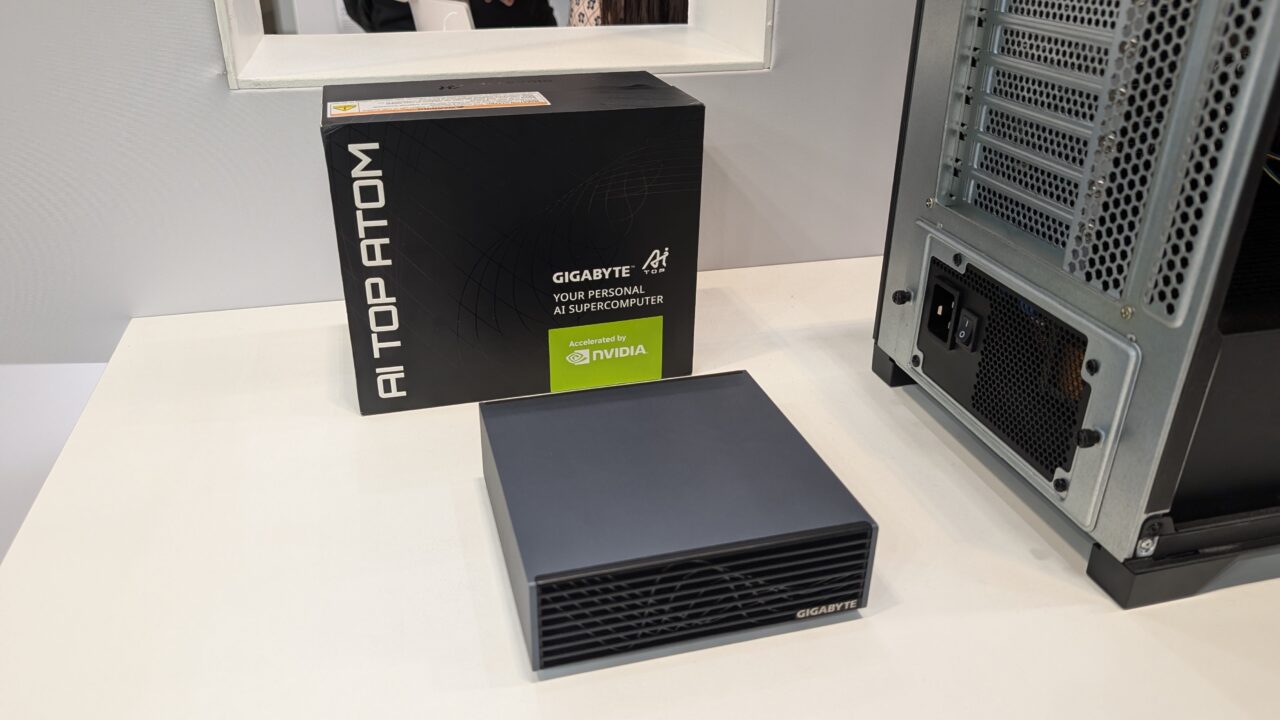
One of the most valuable aspects of ISC is the opportunity to see how different technology companies approach the same industry challenges.
NVIDIA continues to expand beyond accelerators, building increasingly integrated AI platforms that combine GPUs, networking, software and systems into complete AI Factory architectures.
AMD is pursuing a similarly comprehensive strategy, bringing together EPYC processors, Instinct accelerators and rack-scale platforms designed to support both AI and traditional HPC workloads.
Intel remains central to many enterprise deployments, reinforcing an important point that can sometimes get lost in the AI conversation: accelerators still depend on powerful CPUs, networking and orchestration to deliver real-world performance.
Although the products are different, the direction is the same. Every vendor is building more ‘heterogeneous’ systems, bringing CPUs, GPUs and other accelerators together so each can do what it does best.
The industry appears to have reached broad agreement that future data centres will be built in a way that combines multiple processing technologies, each optimised for different workloads.
Sovereign compute is a strategic priority
Governments, research organisations and enterprises across Europe are investing heavily in sovereign compute, with initiatives such as EuroHPC and the AI Factory programme strengthening capability across the entire compute stack.
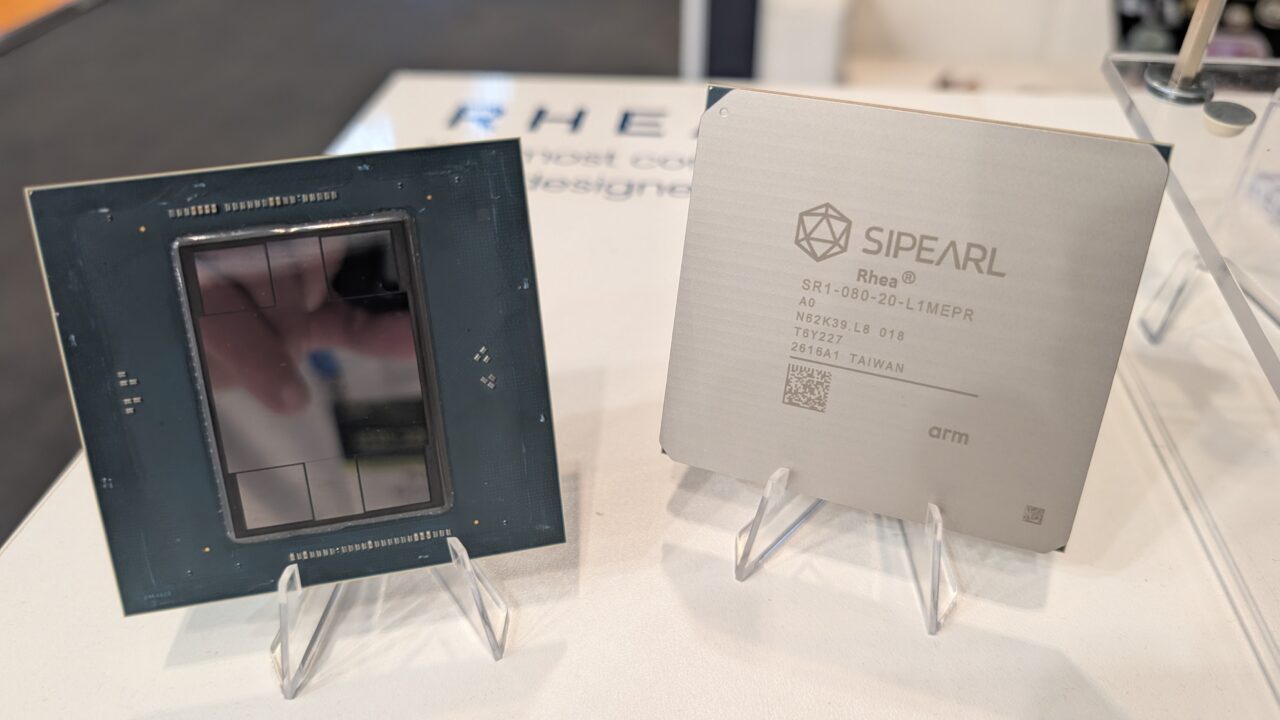
Companies such as SiPearl reflect that ambition, developing European-designed processors to support the region’s long-term technology strategy.
This all creates a growing opportunity for partners who can design and deliver complete infrastructure solutions.
Infrastructure is the competitive advantage
Alongside the latest processors and accelerators, conversations regularly turned to power, cooling, networking and system design. As AI and HPC deployments continue to grow, direct liquid cooling, high-speed networking and efficient storage have become essential parts of high-performance infrastructure.
Customers are increasingly evaluating complete platforms, creating opportunities for partners that can design and integrate the entire solution.
Why this matters for partners
One theme ran through almost every conversation at ISC: customers are thinking more broadly about their infrastructure.
Questions about GPUs are now part of much bigger discussions around architecture, scalability, energy efficiency and data sovereignty. Organisations want platforms that can evolve with their workloads, rather than solutions built around a single technology.
That plays to the strengths of the channel. Designing modern AI infrastructure takes expertise across compute, networking, storage, cooling and integration. Bringing those technologies together is where partners can add the most value.
What’s next?
ISC reinforced how quickly the compute landscape is evolving. Organisations are building complete platforms rather than buying individual technologies, placing greater value on partners who understand how the entire infrastructure stack fits together.
Working across the industry’s leading technology vendors gives TD SYNNEX GCC a unique perspective on that landscape, helping partners make informed decisions and build solutions that meet their customers’ long-term needs.


